

Investing in Palm Beach County vs. Martin County Real Estate
For real estate investors eyeing Florida’s Treasure and Gold coasts, two neighboring markets offer very different theses: Palm Beach County, the large, liquid, premium-priced metro, and Martin County, the smaller, quieter, more affordable market just to the north. Choosing between them comes down to price, demand depth, and carrying costs. Here’s a clear-eyed comparison of investing in Palm Beach County vs. Martin County real estate in 2026.
- Palm Beach County’s single-family median was about $645,000 (March 2026); Martin County’s was about $470,000 (February 2026, Redfin) — a clear entry-price gap.
- Palm Beach County is roughly ten times Martin’s population (~1.58M vs ~165,700, 2024 ACS) — a deeper, more liquid market.
- Florida’s 0% state income tax and moderate property taxes benefit investors in both counties.
- Cap rates and yields aren’t a published statistic — run your own rent-to-price math, and budget carefully for insurance.
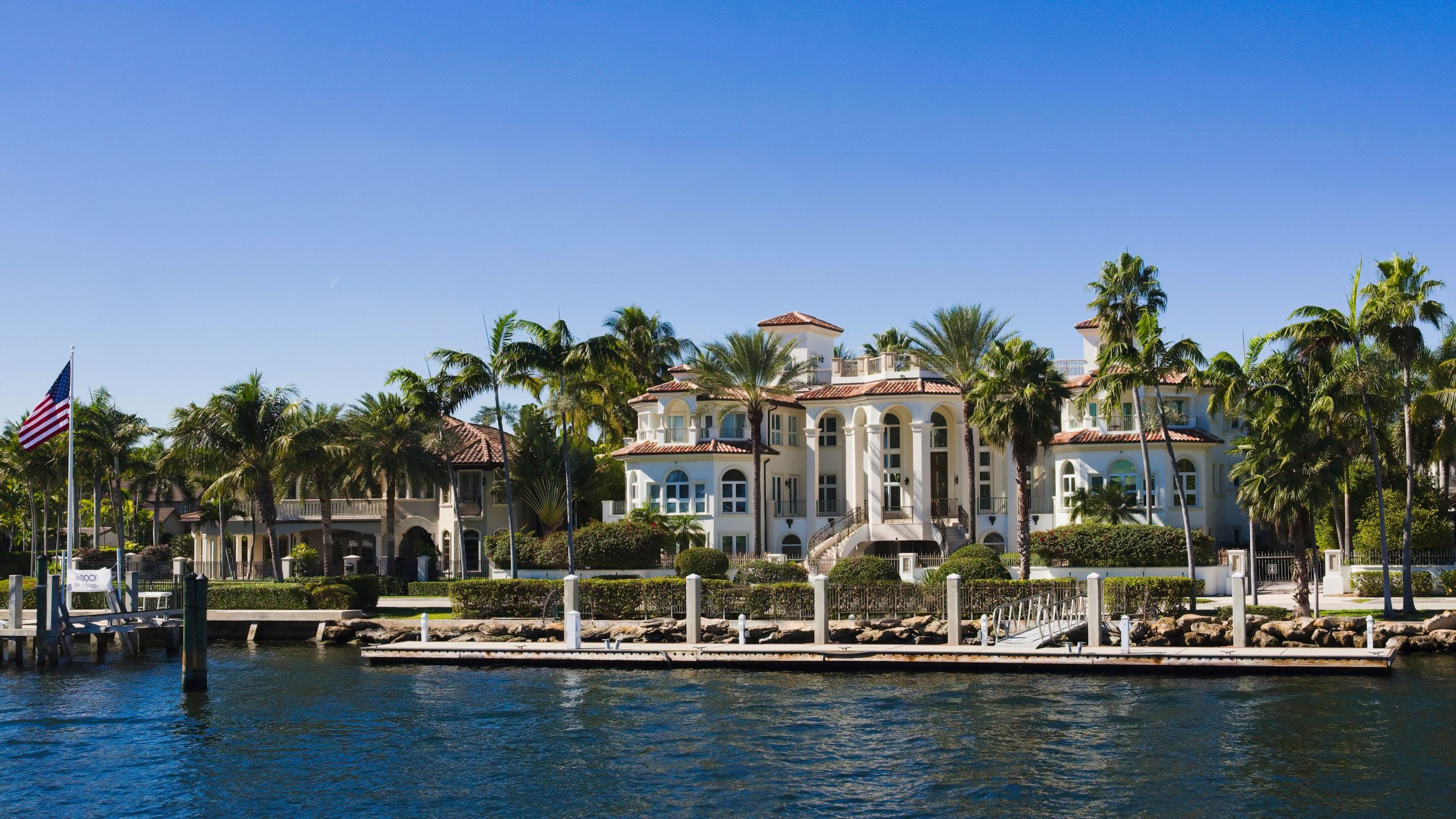
Two adjacent markets, two different investor theses. Photo: Eric Prouzet / Pexels.
Palm Beach County vs. Martin County: the big picture
The headline difference is price and scale. As of early 2026, the single-family median was about $645,000 in Palm Beach County (March 2026, BeachesMLS / MIAMI REALTORS) versus about $470,000 in Martin County (February 2026, Redfin). Palm Beach County also dwarfs its neighbor in size: roughly 1.58 million residents versus Martin’s ~165,700 (2024 American Community Survey), about a ten-to-one gap.
That scale shapes everything for an investor. Palm Beach County offers a deeper pool of tenants, buyers, and comparable sales, more liquidity when you exit. Martin County offers a lower entry price and a quieter, slower-growth market that some investors prefer for stability.
Which county is the better entry point?
Martin County is the more accessible starting line. Its lower median, around $470,000, lets investors get in for materially less capital, and the market has softened recently: Redfin showed Martin County’s median down about 9.6% year over year in February 2026, with median days on market stretching to roughly 104 (up from about 74 a year earlier). That’s a single-month snapshot on lower volume, not a trend, but it signals more negotiating room than the frothier years.
Palm Beach County asks for more capital but offers more market. With ten times the population and far more transaction volume, it’s easier to find tenants, comps, and an eventual buyer. For a deeper read on the PBC side, see our Palm Beach County market report; for the Martin County lifestyle and demand picture, see our Stuart, FL guide.
What’s the tax and carrying-cost picture?
Florida’s tax structure is the investor’s friend in both counties. The state levies no personal income tax, which means rental income isn’t taxed at the state level, a real advantage over high-tax states. Property taxes are moderate: Florida’s effective rate averages about 0.78% statewide, while Palm Beach County runs a bit higher near 1.02% (Tax Foundation); Martin County tracks closer to the state average.
The silent variable is insurance. Florida property insurance, especially on coastal and older homes, can materially affect your returns, and it varies widely by property. There’s no single figure that fits every investment, so underwrite insurance on the specific address before you buy. Martin County’s median household income of about $96,829 (2024 ACS) also signals solid tenant earning capacity in that market.
What drives demand in both markets?
Both counties ride the same powerful tailwinds: Florida’s tax appeal, in-migration, and a deep well of out-of-state and international demand. Florida was the top U.S. destination for foreign buyers, capturing 21% of all international home purchases (a streak of at least 15 years), and 47% of foreign buyers paid cash (NAR, 2025 Profile of International Transactions in U.S. Residential Real Estate, covering April 2024 through March 2025). Martin County is also growing, up about 5% since the 2020 Census (Florida EDR/BEBR). That mix of cash demand and steady growth supports both rental and resale markets.
How should investors think about yield?
Carefully, and with your own numbers. There’s no authoritative published cap rate or rental-yield figure for these counties, so treat any quoted yield with skepticism and run your own rent-to-price math on each property. Coastal Florida cap rates are often compressed because purchase prices and insurance costs are high relative to rents, Palm Beach County especially. Martin County’s lower entry price can pencil more favorably, but verify rents in the specific submarket. The honest takeaway: location, condition, and insurance drive returns here more than any countywide average.
Frequently Asked Questions
Is Palm Beach County or Martin County cheaper to invest in?
Martin County is generally more affordable, with a single-family median around $470,000 (Redfin, February 2026) versus about $645,000 in Palm Beach County (BeachesMLS, March 2026). Palm Beach County costs more but offers a larger, more liquid market.
Does Florida tax rental income?
Florida has no state personal income tax, so rental income isn’t taxed at the state level, an advantage for investors. Property taxes are moderate (about 0.78% statewide, ~1.02% in Palm Beach County, per the Tax Foundation), and federal taxes still apply.
Which market has more demand?
Palm Beach County has far more volume, roughly 1.58 million residents versus Martin’s ~165,700 (2024 ACS). Both benefit from Florida’s status as the top state for foreign buyers (21% of U.S. international purchases, NAR 2025) and steady in-migration.
What’s the biggest hidden cost for Florida investors?
Insurance. Florida property insurance, especially on coastal or older homes, varies widely and can significantly affect returns. Always get a quote on the specific property before you buy rather than relying on an average.
What cap rate should I expect?
There’s no reliable published cap rate for these counties, run your own rent-to-price analysis per property. Coastal Florida yields are often compressed by high prices and insurance, so location and condition matter more than any countywide figure.
Building a Florida Investment Strategy?
The Cahur Group helps investors compare Palm Beach and Martin County opportunities, run the real carrying-cost math, and find properties that pencil. Contact us or call 561-401-5758.
Cibie Cahur is the founder and lead agent of The Cahur Group at Keller Williams Realty, serving Palm Beach and Martin County, Florida. A Top 1% Keller Williams agent from 2017 to 2024, she leads an eight-agent team and works with buyers and sellers in English, Spanish, and French. Reach her at 561-401-5758.
Sources
- Redfin, Martin County, FL Housing Market, retrieved 2026-06-02, https://www.redfin.com/county/478/FL/Martin-County/housing-market
- U.S. Census Bureau, American Community Survey 2024 (population, income), via Census Reporter, retrieved 2026-06-02, http://censusreporter.org/profiles/05000US12085-martin-county-fl/
- National Association of Realtors, 2025 Profile of International Transactions in U.S. Residential Real Estate, retrieved 2026-06-02, https://www.nar.realtor/newsroom/international-buyers-purchased-56-billion-worth-of-u-s-homes-from-april-24-to-march-25
- Tax Foundation, property tax data; BeachesMLS / MIAMI REALTORS, Palm Beach County statistics (March 2026); Florida Office of Economic & Demographic Research.