

Luxury Renovation Due Diligence in Palm Beach
Renovating a high-end home in the Town of Palm Beach is not like remodeling anywhere else. Between architectural review, landmark protections, contractor licensing, and coastal permitting, a luxury renovation can require several separate approvals, sometimes all at once. Doing your luxury renovation due diligence in Palm Beach before you buy or break ground protects your timeline, your budget, and your vision. Here is what may apply and how the pieces fit together.
Note: this guide focuses on the Town of Palm Beach (the island). Other municipalities, Jupiter, West Palm Beach, and unincorporated Palm Beach County, have their own review boards and rules.
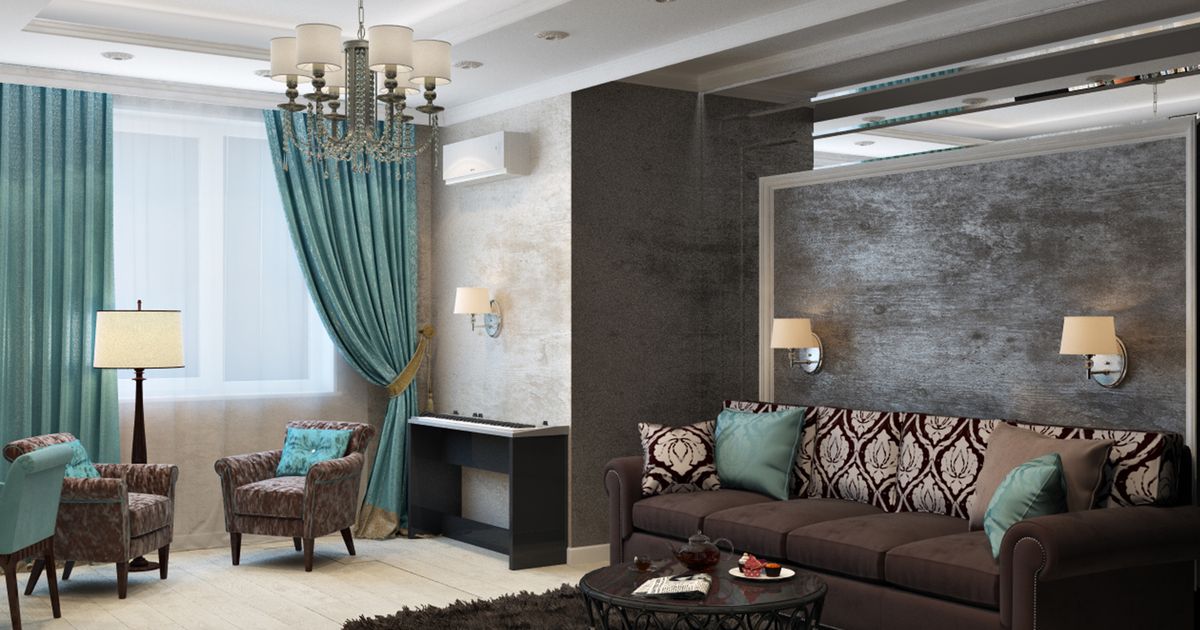
A polished renovation in Palm Beach often passes through more than one approval. Photo: Vika Glitter / Pexels.
Who reviews renovations in the Town of Palm Beach?
For most non-landmarked properties, the Architectural Commission (ARCOM) is the key board. ARCOM reviews and approves new construction, exterior modifications visible from public rights-of-way, and landscaping on non-landmarked buildings. It is a formal Town board (seven members plus three alternates, including licensed architects), and its sign-off can be required before exterior work proceeds. If your renovation changes the look of the home from the street, plan for ARCOM review.
Do you need special approval for a historic or landmarked home?
If the property is landmarked, a different board applies. The Landmarks Preservation Commission reviews landmarked properties and recommends landmark designations to the Town Council under the Town’s 1979 Historic Preservation Ordinance (Palm Beach Code Chapter 54). Landmarked homes go to the Landmarks Commission, not ARCOM, for review, and the standards for altering a historic property are stricter. Before buying a Palm Beach home you intend to renovate, confirm whether it is landmarked, because that single fact changes which board reviews your plans and how much latitude you’ll have.
How do you vet a contractor in Florida?
Use only a properly licensed contractor. In Florida, the Construction Industry Licensing Board (CILB) under the Department of Business and Professional Regulation (DBPR) licenses and regulates contractors. Licenses come in two forms, “certified” (valid statewide) and “registered” (valid in specific local jurisdictions), and in classifications such as general versus building contractor. Before signing, verify the contractor’s DBPR license status, classification, and insurance, and confirm they’re experienced with the review process for your specific property and municipality. The right contractor for a landmarked Palm Beach estate is not necessarily the right one for a tract home.
What about coastal and waterfront work?
Coastal renovations add a state layer. Florida’s Coastal Construction Control Line (CCCL) program, run by the Florida Department of Environmental Protection (DEP), regulates construction seaward of the CCCL, and a DEP permit is generally required (unless exempt) for construction or excavation seaward of the line. The CCCL exists in 25 coastal counties, including Palm Beach. Separately, seawalls and docks are regulated structures, with certain activities addressed by exemptions or permits under Florida Statute 403.813 and DEP and local oversight. If your project touches the water or sits near the beach, build CCCL and marine permitting into your plan early.
Putting it together
The key insight is that these requirements stack rather than replace one another. A coastal, landmarked Palm Beach renovation could need Landmarks Commission approval and a Town building permit and a DEP CCCL permit and seawall or dock authorization. A non-landmarked inland home might need only ARCOM review and a building permit. Because the path depends on the specific property, confirm two things first, whether the home is landmarked and whether any work falls seaward of the CCCL, then assemble the right team. For the purchase-side checks that pair with this, see our luxury home due diligence guide.
Frequently Asked Questions
What is ARCOM in Palm Beach?
The Architectural Commission (ARCOM) is a Town of Palm Beach board that reviews new construction, exterior modifications visible from public rights-of-way, and landscaping on non-landmarked buildings. If a renovation changes a home’s exterior appearance, ARCOM review is often required.
How do I know if a Palm Beach home is landmarked?
Confirm with the Town of Palm Beach before buying or renovating. Landmarked properties are reviewed by the Landmarks Preservation Commission under the Town’s 1979 Historic Preservation Ordinance (Code Chapter 54), with stricter standards than non-landmarked homes.
How do I verify a contractor’s license in Florida?
Check the contractor’s status with the Florida DBPR’s Construction Industry Licensing Board. Confirm whether they are “certified” (statewide) or “registered” (local), verify the classification (e.g., general vs. building) and insurance, and ensure they’re experienced with your property type and municipality.
What is a CCCL permit and do I need one?
The Coastal Construction Control Line (CCCL) permit, issued by Florida DEP, is generally required for construction or excavation seaward of the control line (unless exempt). Palm Beach County is among the 25 coastal counties with a CCCL, so coastal renovations may need one.
Can a single renovation need multiple approvals?
Yes. A coastal, landmarked Palm Beach renovation could require Landmarks Commission approval, a Town building permit, a DEP CCCL permit, and seawall or dock authorization, stacked together. Confirm landmark status and CCCL position early to map the full path.
Planning a Palm Beach Renovation?
Whether you’re buying a home to renovate or planning a project on one you own, The Cahur Group can help you understand the review and permitting path and connect you with the right professionals across Palm Beach and Martin County. Contact us or call 561-401-5758.
Cibie Cahur is the founder and lead agent of The Cahur Group at Keller Williams Realty, serving Palm Beach and Martin County, Florida. A Top 1% Keller Williams agent from 2017 to 2024, she leads an eight-agent team and works with buyers and sellers in English, Spanish, and French. Reach her at 561-401-5758.