

Closing Costs for Home Buyers in Florida: The 2026 Breakdown
Home buyers in Florida typically pay 2% to 5% of the purchase price in closing costs, per Rocket Mortgage’s 2026 figures. On Palm Beach County’s $645,000 median single-family price (MIAMI REALTORS, first-quarter 2026), that’s roughly $13,000 to $32,000 — depending on your loan, your insurer, and who pays what.
How much do home buyers pay in closing costs in Florida?
Plan on 2% to 5% of the purchase price (Rocket Mortgage, 2026). On a $450,000 starter home, that’s about $9,000 to $22,500. On the county’s $645,000 median single-family price, it’s roughly $13,000 to $32,000. Your loan size and Florida’s high insurance premiums do most of the moving.
Two buckets make up the total. First, one-time charges: lender fees, the appraisal, inspections, a survey, title work, recording, and state transfer taxes. Second, prepaids: property taxes, homeowners insurance, and prepaid interest your lender collects up front. That second bucket is usually the biggest, and heavier in Florida because insurance runs high. A dedicated buyer’s agent keeps these from surprising you at the table.
Local insight: Palm Beach County buyers often land at the lower end of that 2%-5% range. Why? Local custom puts two of the largest line items — the owner’s title policy and the deed’s documentary stamp tax — on the seller, not the buyer.
Across 2026, Florida home buyers generally paid 2% to 5% of the purchase price in closing costs, while sellers paid more once agent commissions were counted (Rocket Mortgage). On Palm Beach County’s $645,000 median single-family price, a buyer’s share works out to roughly $13,000 to $32,000.
What’s included in a Florida buyer’s closing costs?
A buyer’s closing costs bundle lender charges, third-party service fees, state and county taxes, title insurance, and prepaids. Individual line items are modest; together they add up. Title insurance alone runs about $3,300 on a $645,000 home under Florida’s state-set rates (Florida Department of Financial Services). Here’s the full picture, with who customarily pays each item in Palm Beach County.
| Closing cost | Typical 2026 amount | Who customarily pays (Palm Beach County) |
|---|---|---|
| Lender fees (origination, underwriting, processing) | ~$1,500-$3,500 | Buyer |
| Appraisal | $350-$600 | Buyer |
| Home inspection | $300-$500 | Buyer |
| Survey (optional) | ~$300-$500 | Buyer |
| Documentary stamp tax on the note (if financed) | $0.35 per $100 of the loan | Buyer |
| Nonrecurring intangible tax on the mortgage | $2 per $1,000 of the loan | Buyer |
| Documentary stamp tax on the deed | $0.70 per $100 of the price | Seller |
| Owner’s title insurance | $5.75/$1,000 to $100K, then $5.00/$1,000 | Seller |
| Lender’s title policy | Reduced simultaneous-issue rate | Buyer |
| Recording fees | Small per-page county fee | Split (buyer: mortgage; seller: deed) |
| Prepaid taxes, insurance & escrow reserves | Varies (often several thousand) | Buyer |
| HOA / estoppel fee (if applicable) | Estoppel capped at $299 | Usually Buyer |
A few of these are pure Florida and catch relocating buyers off guard — starting with the documentary stamp and intangible taxes, which come next, then title insurance. For the loan side, our financing guide walks through lender selection.
A Florida buyer’s closing costs fall into two groups: one-time charges (lender fees, appraisal, inspection, survey, title, recording, and state taxes) and prepaids (property taxes, homeowners insurance, and escrow reserves). Prepaids are usually the largest single piece, especially in Florida, where property-insurance premiums run high (Rocket Mortgage, 2026).
Florida’s documentary stamp and intangible taxes, explained
Florida charges a documentary stamp tax of $0.35 per $100 on the mortgage note and a nonrecurring intangible tax of $2 per $1,000 on the mortgage, per the Florida Department of Revenue. On a $516,000 loan, that’s $1,806 plus $1,032 — $2,838 in state taxes the buyer pays at recording. The deed’s separate $0.70-per-$100 stamp is customarily the seller’s.
Think of it as three separate taxes. The deed stamp ($0.70 per $100 of the price, everywhere except Miami-Dade) rides on the transfer and is the seller’s by Palm Beach County custom. The note stamp ($0.35 per $100, capped at $2,450) and the intangible tax ($2 per $1,000) both ride on the loan, so they land on the financing buyer. A cash buyer owes neither.
Local insight: Here’s what many buyer guides miss — your note stamp and intangible tax are calculated on the loan amount, not the sale price. Put more money down and both taxes shrink. Pay all cash and you skip them entirely.
Florida’s documentary stamp tax is $0.70 per $100 on a deed and $0.35 per $100 on a promissory note, and the nonrecurring intangible tax is $2 per $1,000 of the mortgage (Florida Department of Revenue). Buyers who finance owe the note and intangible taxes; the deed stamp is customarily the seller’s.
How much does title insurance cost in Florida?
Florida sets one title-insurance premium that every company must charge: $5.75 per $1,000 of coverage on the first $100,000, then $5.00 per $1,000 above that, up to $1 million (Florida Department of Financial Services). On a $645,000 home, the owner’s policy premium is $3,300 — and in Palm Beach County the seller customarily covers it.
There are two policies. The owner’s policy protects your equity if a title defect surfaces later; the lender’s policy protects the bank’s lien. Issued together, the lender’s policy comes at a reduced simultaneous-issue rate — a small add-on, not a second full premium. Since Palm Beach County custom puts the owner’s policy on the seller, the buyer’s title cost here is usually just that modest lender’s charge plus settlement fees.
Local insight: Because the premium is fixed by the state, every title company in Florida quotes the identical owner’s-policy price. So compare companies on their settlement and closing fees and their service — not on the premium, which won’t budge.
Florida is a promulgated-rate state: regulators set one title-insurance premium every company must charge — $5.75 per $1,000 of coverage on the first $100,000 and $5.00 per $1,000 above that, up to $1 million (Florida Department of Financial Services). On a $645,000 policy, the premium is $3,300.
Who pays which closing costs in Palm Beach County?
In Palm Beach County, the seller customarily pays the owner’s title insurance policy, the deed’s documentary stamp tax, and the deed recording fee. The buyer covers lender fees, the mortgage’s documentary stamp and intangible taxes, inspections, the appraisal, and prepaids (Kelley, Grant & Tanis, P.A.). It’s local custom, not law — the contract can shift any of it.
Seller customarily pays
- Owner’s title insurance policy
- Documentary stamp tax on the deed
- Deed recording fee
- Real estate commissions
Buyer customarily pays
- Lender fees and appraisal
- Documentary stamp tax on the note
- Intangible tax on the mortgage
- Inspection, survey, lender’s title policy
- Prepaid taxes, insurance & escrow
That split is why the custom matters to your budget. In Broward and Miami-Dade, buyers often pay for the owner’s title policy; in Palm Beach County they usually don’t. Knowing the convention before you write an offer helps you negotiate credits with your eyes open — useful whether you’re buying or checking what your current home is worth.
In Palm Beach County, custom puts the owner’s title insurance policy, the deed’s documentary stamp tax, and deed recording on the seller, while the buyer covers the mortgage taxes, lender fees, and prepaids (Kelley, Grant & Tanis, P.A.). None of it is fixed by law — the purchase contract controls who pays.
A sample closing-cost breakdown on a $645,000 home
Let’s put real numbers on it: a $645,000 Palm Beach County purchase with 20% down — a $516,000 loan — under the county’s customary split. The two state mortgage taxes are exact; the rest are typical 2026 estimates that vary by lender, insurer, and property.
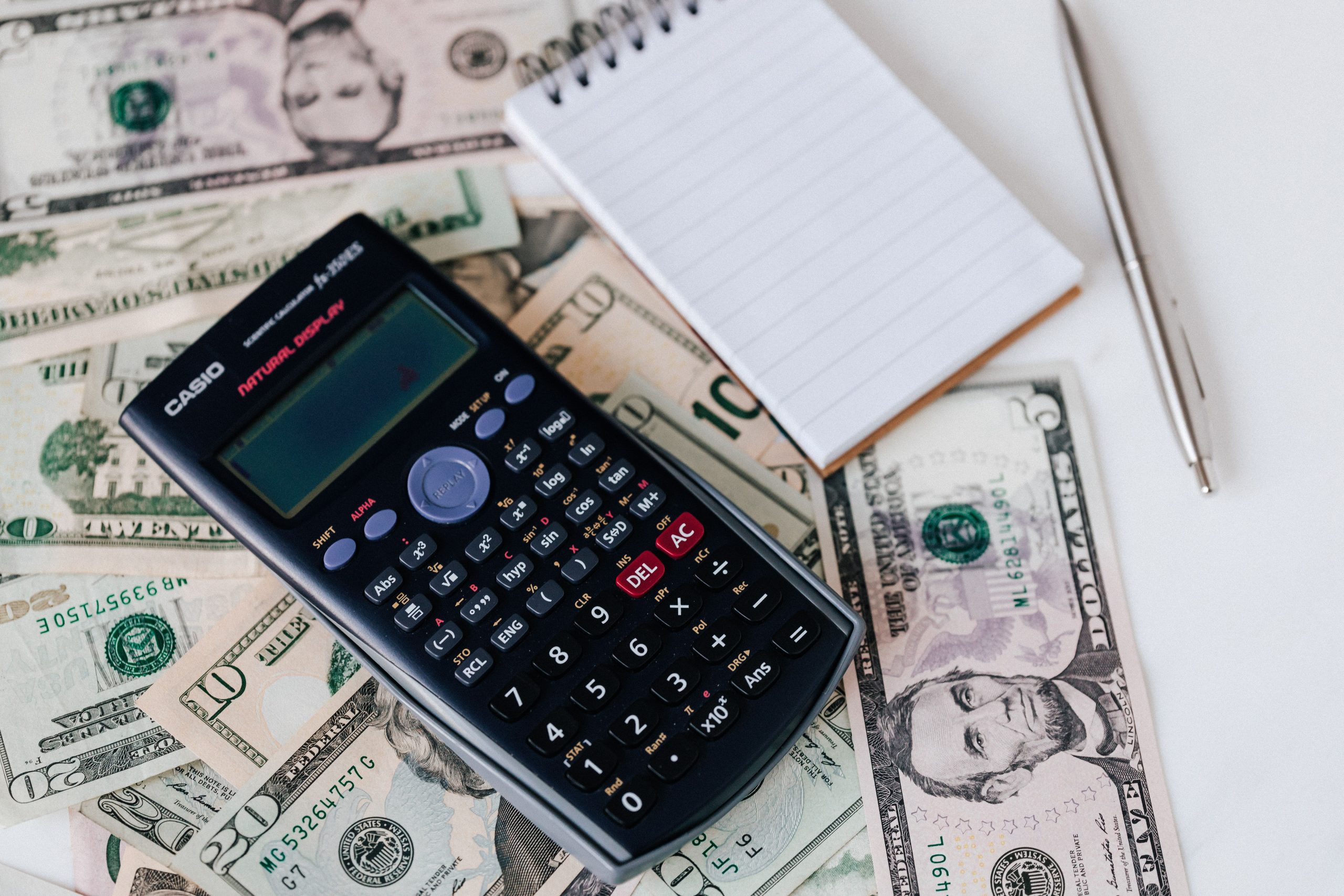
Add it up and the buyer’s estimated total lands near $14,000 — about 2.2% of the price, at the low end of the 2%-5% range. That’s the Palm Beach County advantage: with the owner’s title policy ($3,300) and the deed stamp ($4,515) both on the seller, the buyer’s out-of-pocket stays lighter than in counties where those items flip. Florida’s steep insurance premiums are the main variable that can push prepaids higher — one reason a hurricane-resilient home can pay off at closing and every renewal after.
On a $645,000 Palm Beach County purchase with 20% down, the buyer’s two Florida mortgage taxes alone total $2,838 — $1,806 in documentary stamp tax plus $1,032 in intangible tax on the $516,000 loan (Florida Department of Revenue). Lender fees, prepaids, and inspections push the buyer’s total near $14,000.
How can buyers reduce closing costs?
You have more control than you might think. Buyers routinely trim closing costs by negotiating seller concessions, comparing lenders’ Loan Estimates side by side, and timing the close near month-end to lower prepaid interest. On a $516,000 loan, shaving even a fraction off lender fees is real money.
- Ask for seller concessions. In a balanced market, sellers may credit part of the price toward your closing costs — written into the contract.
- Compare Loan Estimates. Every lender must give you a standardized Loan Estimate; line up two or three and negotiate the lender fees, which vary widely.
- Put more down. A larger down payment shrinks the loan, and with it the note stamp and intangible tax.
- Close near month-end. Prepaid interest accrues per day to month-end, so a later close means fewer days to prepay.
- Shop title settlement fees. The premium is fixed statewide, but a company’s settlement and closing fees are not.
First-time buyers especially benefit from mapping every fee before offer day. Our first-time buyer guide pairs well with this breakdown, and a good agent will prepare a full cost estimate before you sign.
Frequently asked questions about Florida buyer closing costs
How much are closing costs for a buyer in Florida?
Most Florida buyers pay 2% to 5% of the purchase price, per Rocket Mortgage’s 2026 data. On a $450,000 home that’s about $9,000 to $22,500; on Palm Beach County’s $645,000 median, roughly $13,000 to $32,000. Your loan size, insurer, and prepaids move the final number.
Does the buyer or seller pay closing costs in Palm Beach County?
Both do. In Palm Beach County, the seller customarily pays the owner’s title insurance policy, the deed’s documentary stamp tax, and deed recording. Buyers typically cover lender fees, the mortgage’s documentary stamp and intangible taxes, inspections, the appraisal, and prepaid taxes and insurance. Every line is negotiable in the contract.
What is the Florida documentary stamp tax on a mortgage?
Florida charges documentary stamp tax of $0.35 per $100 on the promissory note, according to the Florida Department of Revenue. On a $516,000 loan, that’s $1,806. Buyers who finance pay it at recording; cash buyers with no note owe nothing. The note tax is capped at $2,450.
What is the Florida intangible tax on a mortgage?
The nonrecurring intangible tax is 2 mills — $0.002 per $1, or $2 per $1,000 of the mortgage — per the Florida Department of Revenue. On a $516,000 loan, that’s $1,032. Lenders are technically liable but pass it to the borrower, so buyers see it on the closing statement.
Do cash buyers pay closing costs in Florida?
Yes, but less. Cash buyers skip lender fees, the mortgage’s documentary stamp tax, and the intangible tax, since there’s no loan. They still pay for the title search, a survey if ordered, recording, prepaid property taxes, and insurance. That’s why all-cash deals often close faster and cheaper.
Who pays for title insurance in Palm Beach County?
In Palm Beach County, the seller customarily pays for the owner’s title insurance policy, a local custom that differs from Broward and Miami-Dade. Florida sets one promulgated premium — $5.75 per $1,000 on the first $100,000 and $5.00 per $1,000 above that — so the price is identical at every title company.
Cibie Cahur leads The Cahur Group at Keller Williams Realty, serving buyers and sellers across Palm Beach and Martin County, Florida. A Top 1% Keller Williams agent from 2017 through 2024, she works with an eight-agent team and serves clients in English, Spanish, and French. Reach her at 561-401-5758.
Thinking about buying in Palm Beach or Martin County? Let’s build your closing-cost estimate before you write an offer. Contact The Cahur Group or call 561-401-5758 to get started.
Sources
- Florida Department of Revenue. “Documentary Stamp Tax.” floridarevenue.com/taxes/taxesfees/Pages/doc_stamp.aspx (retrieved 2026-07-02).
- Florida Department of Revenue. “Nonrecurring Intangible Tax.” floridarevenue.com/taxes/taxesfees/Pages/nonrecurring_intangible_tax.aspx (retrieved 2026-07-02).
- Florida Department of Financial Services. “Title Insurance Overview.” myfloridacfo.com/division/consumers/understanding-insurance/title-insurance-overview (retrieved 2026-07-02).
- MIAMI REALTORS. “Palm Beach County Total Home Sales Climb for Seventh Consecutive Month.” miamirealtors.com (retrieved 2026-07-02).
- Redfin. “Palm Beach County, FL Housing Market.” redfin.com/county/486/FL/Palm-Beach-County/housing-market (retrieved 2026-07-02).
- Rocket Mortgage. “Average Closing Costs In Florida.” rocketmortgage.com/learn/average-closing-costs-florida (retrieved 2026-07-02).
- Florida Statutes 720.30851. “Estoppel certificates.” leg.state.fl.us (retrieved 2026-07-02).
- Kelley, Grant & Tanis, P.A. “Title Insurance Palm Beach County, FL.” kelleygrantlaw.com (retrieved 2026-07-02).