

Hurricane-Resilient Home Buying in South Florida: A Buyer’s Guide
Buying a hurricane-resilient home in South Florida is one of the smartest moves you can make, both for safety and for your wallet. The right construction features protect your family during a storm and can meaningfully lower your insurance premiums for as long as you own the home. This guide explains what makes a home storm-ready, how those features cut your insurance costs, and exactly what to check before you buy in Palm Beach County.
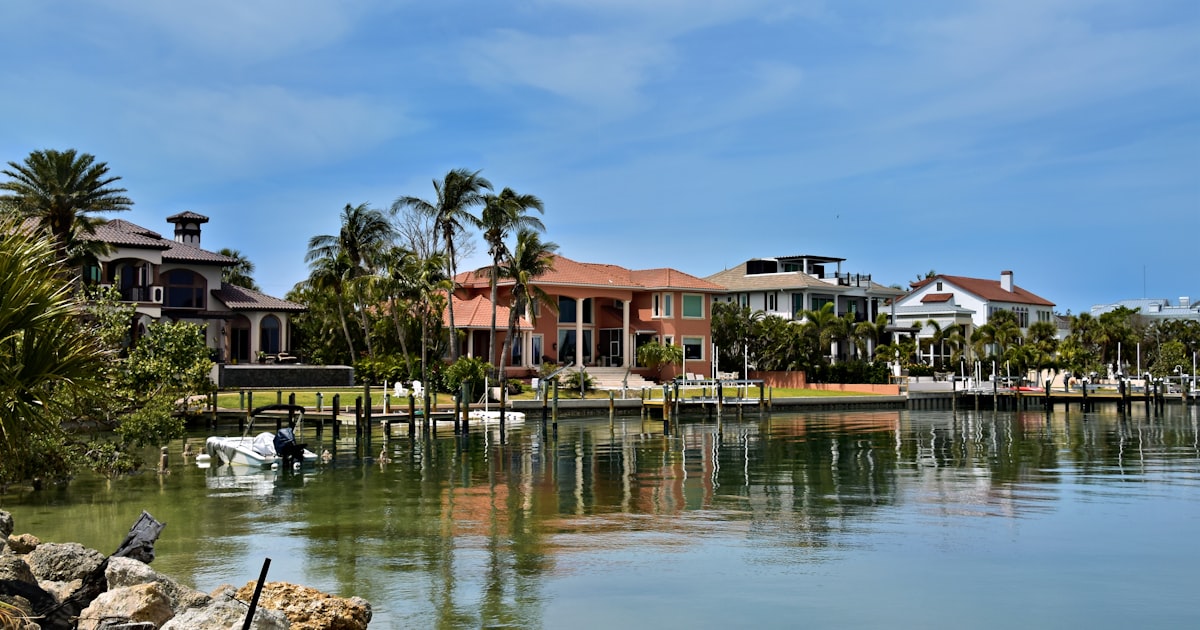
A modern South Florida home built to current wind-resistance standards. Photo: Jeffrey Eisen / Unsplash.
When is hurricane season in South Florida?
The Atlantic hurricane season runs from June 1 through November 30 each year, with peak activity generally from August through October (NOAA). Direct hits on any single town are infrequent, but the entire South Florida coast sits in a region where you should buy, insure, and maintain a home as if a major storm is a question of when, not if.
For buyers, that means storm readiness should be part of your home search from day one, not an afterthought once you own the property. The good news: a well-built South Florida home handles hurricane season as a manageable part of ownership.
What makes a home hurricane-resilient?
A hurricane-resilient home is one engineered to resist high winds and keep the building envelope, the roof, windows, and doors, intact during a storm. The features insurers care most about are documented in a standard wind-mitigation inspection, which records how well a home is built to handle wind.
The key features are the roof shape, how the roof deck is attached, how the roof connects to the walls, whether there is secondary water resistance, and how openings such as windows and doors are protected.
How do wind-resistant features lower your insurance?
Florida law works in your favor here. Under Florida Statute 627.0629, insurers are required to provide premium discounts, credits, or other rate reductions for homes with verified wind-resistant construction features. In other words, building or buying a storm-hardened home is not just safer, it is financially rewarded by statute.
To claim those credits, you need a wind-mitigation inspection. A licensed inspector documents the features shown above, and the resulting report is valid for up to five years (Florida Department of Financial Services). The size of the discount varies by feature and by insurer, so there is no single percentage to promise, but features like a hip roof, a sealed roof deck, and impact-rated windows are among the most valuable. Always order a wind-mitigation inspection on any home you are buying and ask your insurer how each feature affects your premium.
What building standards apply in Palm Beach County?
Here is an important distinction many buyers get wrong. Palm Beach County is a wind-borne-debris region under the Florida Building Code, which means new construction and certain renovations must protect openings against flying debris. However, Palm Beach County is not in the High-Velocity Hurricane Zone (HVHZ), the strictest tier of the code. The HVHZ applies only to Miami-Dade and Broward counties.
What this means in practice: homes in Palm Beach County are built to robust wind standards, but the very strictest HVHZ product approvals are not automatically required here. When you evaluate a home, confirm what protection is actually installed, impact windows versus shutters, roof age and attachment, rather than assuming a specific code tier applies.
What should you check before buying a home in hurricane country?
Treat storm readiness as part of due diligence, alongside the standard home inspection:
- Order a wind-mitigation inspection. It documents the insurance-relevant features and can unlock premium credits under Florida Statute 627.0629.
- Check the roof age and type. Roof condition drives both insurability and premiums; many insurers scrutinize roofs older than 15 years.
- Confirm opening protection. Verify whether windows and doors are impact-rated or have shutters, and whether coverage is complete.
- Get insurance and flood quotes early. Homeowners and, where applicable, separate flood insurance can be significant; quote the exact address during due diligence. See our waterfront homes buyer’s guide for flood-specific details.
- Review elevation and flood zone. A home’s elevation affects flood risk and pricing under FEMA’s Risk Rating 2.0.
Frequently Asked Questions
Is Palm Beach County in the High-Velocity Hurricane Zone?
No. Palm Beach County is a wind-borne-debris region under the Florida Building Code, but it is not in the High-Velocity Hurricane Zone (HVHZ). The HVHZ applies only to Miami-Dade and Broward counties.
Do wind-resistant features really lower insurance premiums?
Yes. Florida Statute 627.0629 requires insurers to give premium discounts or credits for verified wind-resistant features. The amount varies by feature and insurer, so request a wind-mitigation inspection and ask how each feature affects your specific premium.
What is a wind-mitigation inspection?
It is an inspection that documents a home’s wind-resistant features, roof shape, roof-deck attachment, roof-to-wall connections, secondary water resistance, and opening protection. The report is valid for up to five years and is used to qualify for insurance credits (Florida Department of Financial Services).
When is hurricane season in South Florida?
The Atlantic hurricane season runs from June 1 through November 30, with peak activity typically from August through October (NOAA).
Should I get flood insurance in addition to homeowners insurance?
Often yes. Standard homeowners policies do not cover flood damage, and flood insurance is a separate policy. It is required in high-risk flood zones with a federally backed mortgage and recommended for most coastal and waterfront homes.
Buying a Storm-Ready Home in South Florida
A hurricane-resilient home protects your family and your budget for years. The Cahur Group helps buyers evaluate construction, order the right inspections, and understand insurance implications before they make an offer in Palm Beach and Martin County. Contact us or call 561-401-5758 to find a home built for the coast.
Cibie Cahur is the founder and lead agent of The Cahur Group at Keller Williams Realty, serving Palm Beach and Martin County, Florida. A Top 1% Keller Williams agent from 2017 to 2024, she leads an eight-agent team and works with buyers and sellers in English, Spanish, and French. Reach her at 561-401-5758.