

Coastal Home Maintenance in South Florida: A Year-Round Guide
Owning a home near the water in South Florida is a privilege, and a responsibility. Salt air, high humidity, intense sun, and an annual storm season all work harder on a coastal home than on an inland one. Smart coastal home maintenance in South Florida protects both your comfort and your investment, and can even help keep your insurance costs in check. This year-round guide covers what to watch, what to do, and how to budget for it.
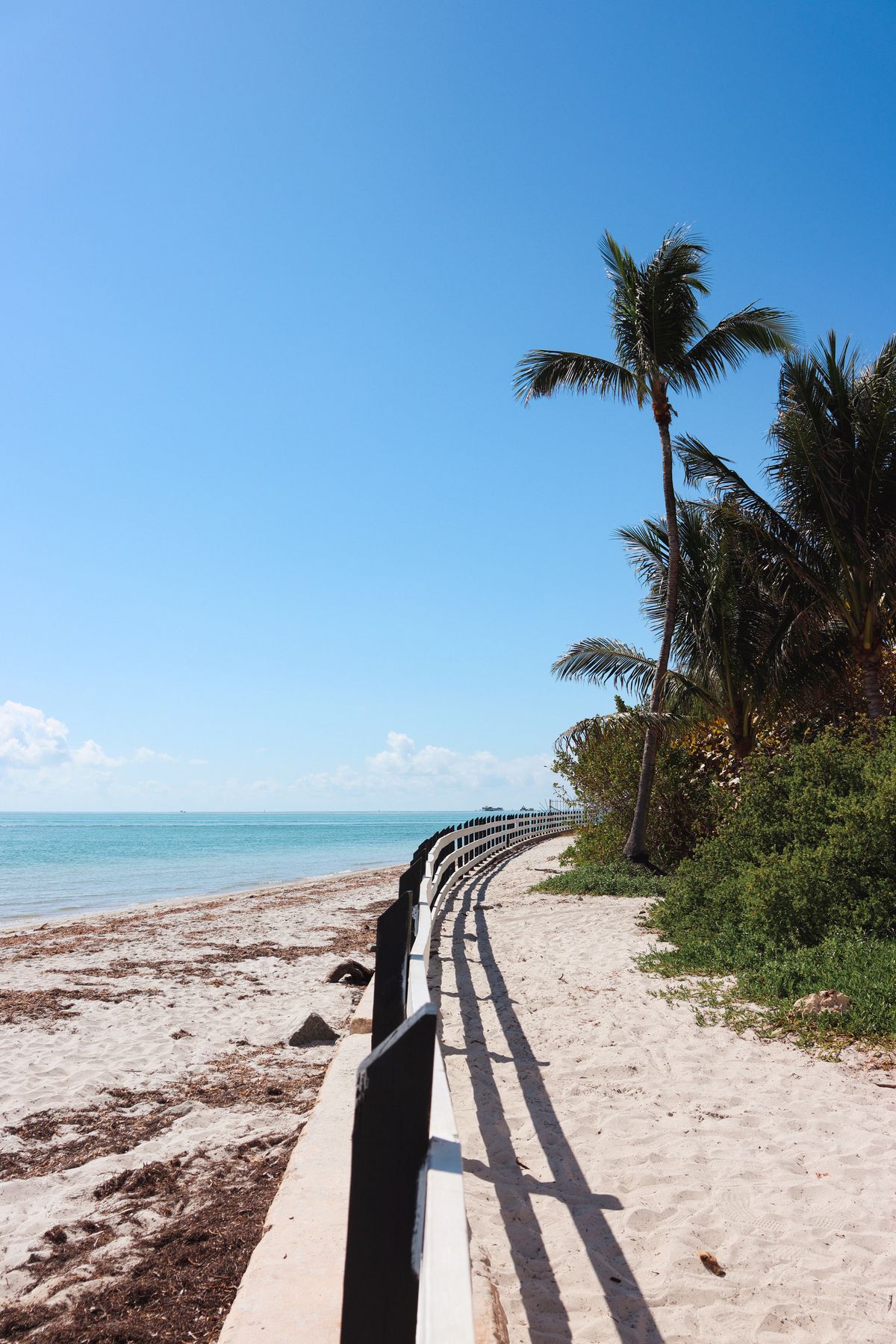
The same coastal setting that makes South Florida special also accelerates wear on homes. Photo: Vasilis Karkalas / Pexels.
Why is coastal home maintenance different in South Florida?
Proximity to the ocean changes the math on upkeep. Salt particles combine with high humidity and rain to form an electrolyte that accelerates the oxidation and corrosion of metals and the breakdown of exterior materials. Add year-round sun and a June-through-November storm season, and coastal homes simply wear faster than inland ones. None of this is a reason to avoid coastal living, it is a reason to maintain proactively rather than reactively.
How do you protect against salt-air corrosion?
The single most effective habit is regular fresh-water rinsing. Periodically rinsing exterior surfaces, roof, siding, windows, railings, and outdoor HVAC units, with fresh water removes salt buildup before it can cause damage; many coastal homeowners do this monthly to quarterly. When you repair or replace, choose corrosion-resistant materials: stainless steel, aluminum, and coated or treated metals hold up far better than untreated steel or iron, and coastal-rated fasteners, marine-grade paints, and quality sealants extend the life of everything they protect. Treat these as general best practices and adjust the cadence to your home’s exposure.
How does humidity affect your home and HVAC?
South Florida’s humidity puts constant load on cooling and moisture-control systems and raises the risk of mold if moisture is not managed. Coastal HVAC units corrode faster and work harder, so they benefit from more frequent cleaning, professional inspection, and good dehumidification. Keep interiors ventilated, address leaks promptly, and service your system on a regular schedule rather than waiting for a problem. A well-maintained HVAC system is both a comfort and a longevity issue in this climate.
What roof and exterior upkeep matters most?
Your roof is your home’s first line of defense and one of its most insurance-sensitive components. Keep it inspected and maintained, clear debris, check seals and flashing, and address minor issues before they grow. This matters beyond durability: well-maintained, code-compliant roofs and opening protection support insurance credits under Florida’s wind-mitigation framework, since Florida Statute 627.0629 requires insurers to give discounts for verified wind-resistant features. In other words, exterior upkeep can pay you back on premiums. For more, see our guide to hurricane-resilient home buying in South Florida.
What about the seawall and dock?
If your home has a seawall or dock, put them on your maintenance radar. Inspect for cracks, erosion, and corrosion, and address problems early, deferred seawall repairs can become major expenses. Keep in mind that seawalls and docks are regulated structures in Florida; repairs or modifications may require permits through the Florida Department of Environmental Protection or local authorities (Fla. Stat. §403.813), so keep documentation and consult professionals before major work.
How much should you budget for coastal maintenance?
A widely cited rule of thumb is to set aside roughly 1% to 4% of your home’s value per year for maintenance and repairs (Fannie Mae). Coastal homes generally land toward the higher end of that range because salt, humidity, and storm exposure drive more frequent upkeep on roofs, HVAC, exterior finishes, and waterfront structures. Building that reserve into your annual budget keeps maintenance a manageable routine rather than a series of emergencies.
Frequently Asked Questions
How does salt air damage a coastal home?
Salt particles combine with humidity and rain to form an electrolyte that accelerates corrosion of metals and breakdown of exterior materials. Regular fresh-water rinsing and corrosion-resistant materials are the most effective defenses.
How often should I service my HVAC in a coastal home?
Coastal HVAC systems corrode faster and work harder in humidity, so they benefit from more frequent cleaning and professional inspection than inland systems, along with good dehumidification and prompt leak repair. Follow your technician’s recommended schedule for your specific unit.
Can home maintenance lower my insurance costs?
It can help. Well-maintained, code-compliant roofs and opening protection support insurance credits under Florida’s wind-mitigation framework, since Florida Statute 627.0629 requires insurers to provide discounts for verified wind-resistant features.
Do I need a permit to repair a seawall or dock?
Often, yes. Seawalls and docks are regulated structures in Florida, and repairs or modifications may require permits through the Florida Department of Environmental Protection or local authorities (Fla. Stat. §403.813). Consult professionals and keep documentation before major work.
How much should I budget for coastal home maintenance?
A common rule of thumb is 1% to 4% of the home’s value per year (Fannie Mae), with coastal homes toward the higher end because of salt, humidity, and storm exposure.
Protecting Your Coastal Investment
Whether you already own near the water or you are buying your first coastal home, The Cahur Group can connect you with the local knowledge and trusted professionals to keep it in top shape. Contact us or call 561-401-5758.
Cibie Cahur is the founder and lead agent of The Cahur Group at Keller Williams Realty, serving Palm Beach and Martin County, Florida. A Top 1% Keller Williams agent from 2017 to 2024, she leads an eight-agent team and works with buyers and sellers in English, Spanish, and French. Reach her at 561-401-5758.