

How to Sell a Waterfront Home in Palm Beach County
Selling a waterfront home in Palm Beach County is different from selling an inland house. The water is your biggest selling point, but it also brings disclosure obligations, documentation buyers expect, and pricing nuances that a standard listing strategy misses. Knowing how to sell a waterfront home in Palm Beach County, from Florida’s flood-disclosure rules to dock and seawall paperwork, helps you market the lifestyle while protecting yourself legally and maximizing your sale.
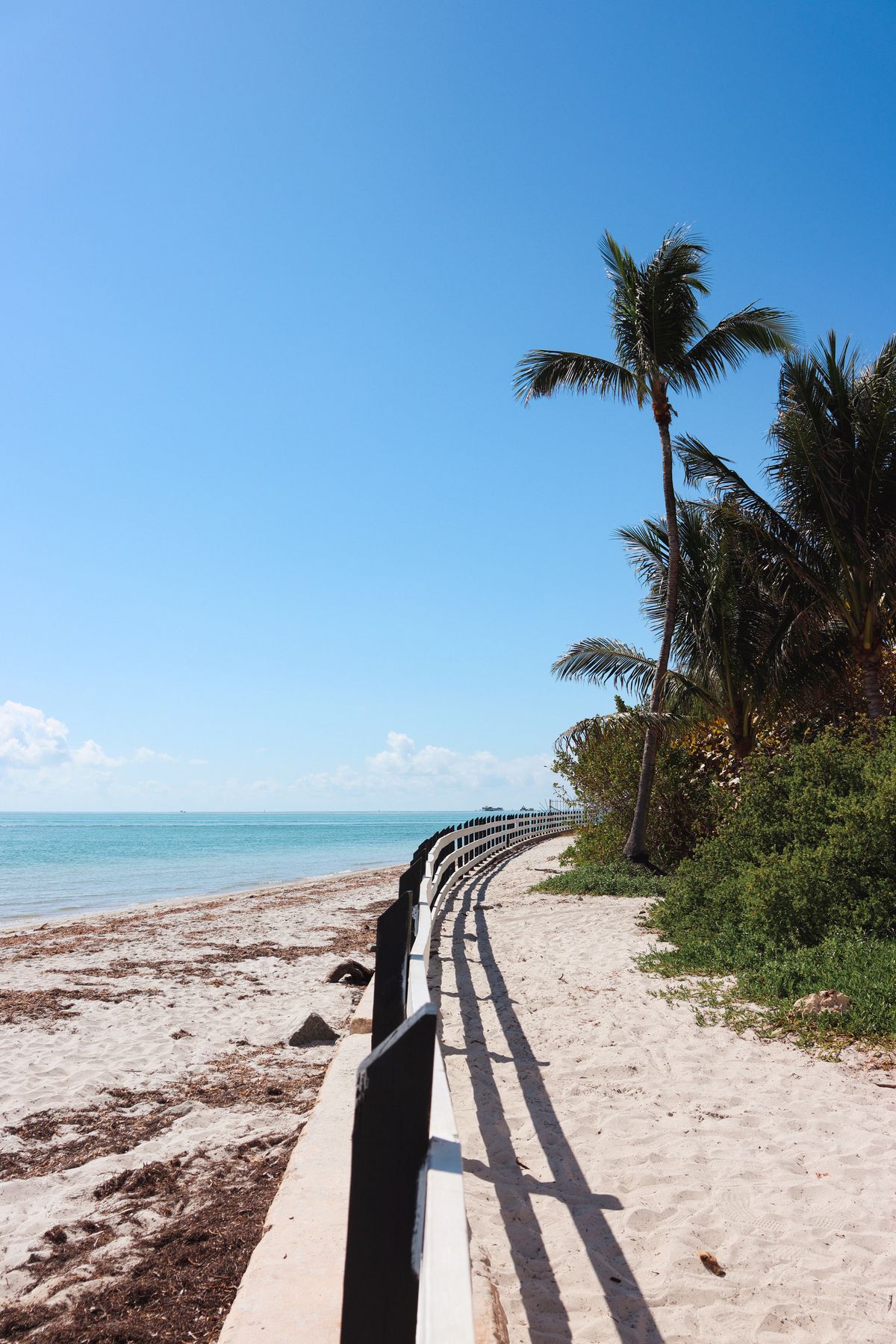
The water is the headline, but the paperwork is what closes the sale. Photo: Vasilis Karkalas / Pexels.
What do you have to disclose when selling a waterfront home?
Florida sellers carry a real duty to disclose. Under the landmark case Johnson v. Davis (Florida, 1985), sellers must disclose known facts that materially affect a property’s value and are not readily observable, and an “as-is” sale does not eliminate that duty for known latent defects. For waterfront homes, that includes things like prior flooding, seawall problems, or dock issues you know about.
On top of that common-law duty, Florida now requires a specific written flood disclosure. Under Section 689.302, effective October 1, 2024, sellers of residential property must give buyers a written flood disclosure covering past flood-insurance claims and any federal flood assistance received. Effective October 1, 2025, those requirements expanded to include known flood damage during the seller’s ownership even if no claim was filed (Florida Realtors). For a waterfront seller, getting this disclosure right is essential.
What documentation should you have ready?
Waterfront buyers, and their inspectors and lenders, will ask for more than inland buyers do. Assemble your paperwork before you list so you can answer questions without slowing the deal:
Note that standard home inspectors typically do not assess seawalls or docks, so buyers may bring a specialist, having your permits and records ready keeps that from derailing the deal. Seawalls and docks are regulated structures (Fla. Stat. §403.813), so documentation matters.
How do you price and market a waterfront home?
Waterfront and water-access homes typically command a premium over comparable inland homes, but the size of that premium depends heavily on the type of water access, oceanfront versus Intracoastal versus canal or lakefront, plus navigability, water depth, and the quality of the dock. There is no universal “waterfront premium” percentage, so pricing should lean on truly comparable waterfront sales, not inland comps. In marketing, lead with the water: dockage and boating access, water views, and outdoor living. With about 52.6% of Palm Beach County sales paid in cash (BeachesMLS / MIAMI REALTORS), many waterfront buyers are well-qualified and decisive when the value is clear.
How long does it take to sell?
Time-to-sell in Florida has generally been running longer than the national median in recent data, so set expectations accordingly and check the latest figures from Florida Realtors market data when you list. Waterfront timelines vary widely with price tier and the specifics of the water access, premium and ultra-luxury waterfront can take longer simply because the buyer pool is smaller. Pricing to the right comparable set from day one is the best way to avoid a long sit. For why high-end homes linger, see our guide on why luxury listings stall.
What makes waterfront sales different?
Beyond disclosure and documentation, waterfront deals involve buyer concerns that inland sales don’t: flood insurance (a separate policy from homeowners, with NFIP building coverage capped at $250,000), seawall and dock condition, and insurance pricing under FEMA’s Risk Rating 2.0. Anticipating these, and having answers ready, builds buyer confidence and keeps your sale on track. Our waterfront homes buyer’s guide covers what the other side will be evaluating.
Frequently Asked Questions
Do I have to disclose flooding when selling a home in Florida?
Yes. Under Johnson v. Davis, sellers must disclose known material defects not readily observable, and Florida Statute 689.302 (effective October 1, 2024) requires a written flood disclosure covering past flood-insurance claims and federal flood assistance, expanded in October 2025 to include known flood damage during ownership.
Does a home inspection cover the seawall and dock?
Usually not. Standard home inspectors typically do not assess seawalls or docks, so buyers often hire a specialist. Having your permits, surveys, and repair records ready helps the deal move smoothly.
How much more is a waterfront home worth?
Waterfront homes typically sell at a premium to comparable inland homes, but there is no fixed percentage, the premium depends on the type of water access (oceanfront, Intracoastal, canal, or lakefront), navigability, water depth, and dock quality. Price using comparable waterfront sales.
How should I price a waterfront home?
Use truly comparable waterfront sales rather than inland comps, and factor in the specifics of your water access and dock. Pricing to the right comparable set from the start is the best way to avoid a long time on market.
How long does it take to sell a waterfront home in Palm Beach County?
It varies by price tier and water access, and Florida’s overall time-to-sell has been running longer than the national median recently (check current Florida Realtors market data). Higher-priced waterfront homes can take longer due to a smaller buyer pool.
Selling on the Water?
The Cahur Group markets waterfront homes across Palm Beach and Martin County, from disclosure and documentation to pricing and presentation. Contact us or call 561-401-5758 for a waterfront listing consultation.
Cibie Cahur is the founder and lead agent of The Cahur Group at Keller Williams Realty, serving Palm Beach and Martin County, Florida. A Top 1% Keller Williams agent from 2017 to 2024, she leads an eight-agent team and works with buyers and sellers in English, Spanish, and French. Reach her at 561-401-5758.